

38 Women Scientists Recognised at 2026 L’Oréal-UNESCO for Women in Science Awards in Sub-Saharan Africa
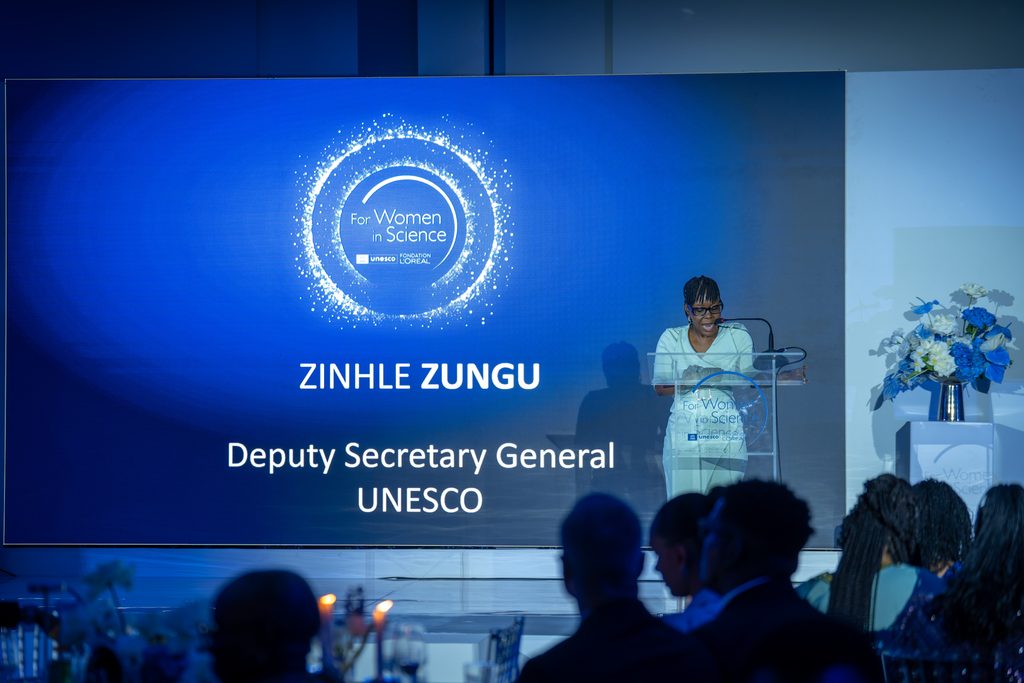
From safer water and clean energy to earlier disease detection and more resilient crops, this year’s laureates are advancing research with the potential to address critical challenges across Africa.
Johannesburg, South Africa, 19 November 2026. Thirty-eight women researchers from across Sub-Saharan Africa have been recognised at the 2026 L’Oréal-UNESCO for Women in Science Awards. Representing countries including Nigeria, Botswana, Tanzania, Guinea, Cameroon and South Africa, the thirty doctoral and eight postdoctoral researchers are working across health, energy, water, agriculture and technology.
Selected from more than 1,000 applications, this year’s awardees reflect the breadth of scientific talent shaping the future; from life and environmental sciences to engineering, technology, and beyond. Their research tackles a range of scientific questions with practical implications for the regions. Projects recognised this year include low-cost water filters made from clay and cassava peel, batteries and supercapacitors developed from agricultural waste, and artificial intelligence tools to support disease diagnosis in humans and crops. Other researchers are investigating medicinal plants for potential use against drug-resistant bacteria, monitoring tuberculosis through wastewater and studying genetic variants associated with type 2 diabetes in African populations.
One of the awardees, Chisom Soremekun from Nigerian, is examining genomic data from more than 180,000 people to identify genetic variants associated with type 2 diabetes in African populations. African populations remain underrepresented in much of the genetic research used to understand disease. Her work aims to help address this gap and contribute evidence that can inform precision medicine, where prevention and treatment are tailored to an individual’s genetic profile.
The recognition comes against a wider backdrop of gender inequality in science. Across Sub-Saharan Africa, several countries are making meaningful progress toward a more inclusive scientific ecosystem. According to UNESCO’s 2025 publication, Status and Trends of Women in Science: New Insights and Sectoral Perspectives, women account for approximately one in three researchers globally and 35% of STEM graduates. In Sub-Saharan Africa, women make up 33.6% of researchers, based on 2022 data. The figures differ across countries: 30.6% in Nigeria (2019), 26.1% in Ghana (2015), 9.8% in Guinea (2013) and 47.6% in South Africa (2022).
The challenges also extend into the workplace. An Ipsos study conducted for Fondation L’Oréal, involving researchers across 117 countries, found that 81% of women scientists had personally experienced sexism during their careers, while 49% had experienced sexual harassment.
Award recipients receive a grant of €10,000 if they are PhD candidates or €15,000 if they are postdoctoral researchers, along with training in leadership, science communication, and career development.
Michelle Gololo, Corporate Affairs & Engagement Lead at L’Oréal Sub-Saharan Africa, said: “Visibility is part of the answer. When African women’s research is seen, funded and cited, it changes who gets to lead and who believes they can. Our responsibility is to sustain that visibility beyond this ceremony, so these 38 women and the young women who follow them can shape the future of science.”
The For Women in Science programme has been run by Fondation L’Oréal in partnership with UNESCO since 1998. It has supported more than 5,000 researchers from over 140 countries.